


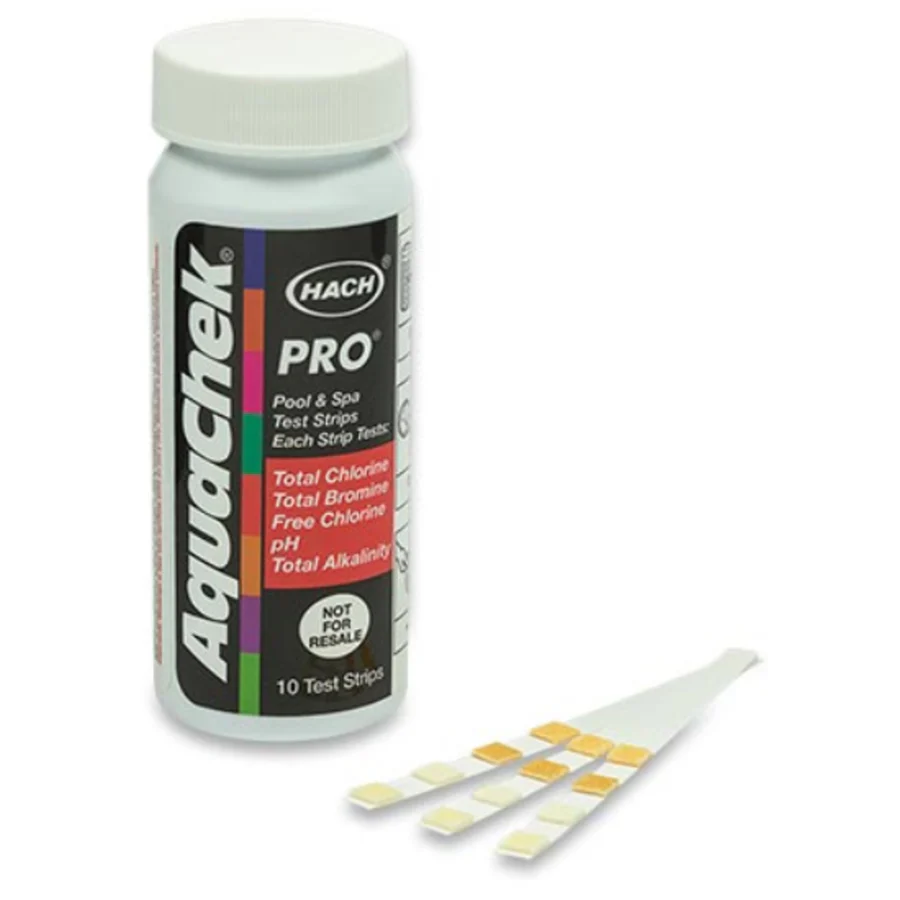
It is important to keep the water in the pool clean and balanced to ensure safety and comfort. Pool water test strips are one of the simplest and most efficient means of monitoring the water quality. These are basic tools that allow the pool owners to ensure that they can easily monitor chemical levels and make adjustments. The choice of whether to have a traditional chlorine pool or a salt water pool test kit, knowing how to use test strips properly, will ensure proper results and improved pool maintenance.
Why Testing Pool Water is Important
Water in the pool should maintain certain levels of chemicals to be safe and clean. Lack of balance in water may cause the growth of algae, skin irritation, and damage to pool equipment.
Regular use of pool water test strips allows you to check important parameters like pH, chlorine, alkalinity, and calcium hardness. In the case of saltwater systems, a salt water pool test kit assists in making sure that the salt and sanitizer levels are maintained to allow a salt water system to produce chlorine effectively.
Choosing the Right Test Strips
All test strips are not alike. Some give a more detailed analysis, whereas some measure only the basic parameters.
When choosing pool water test strips, consider those that test a variety of parameters such as pH, free chlorine, total alkalinity, and stabilizer levels. When you have a saltwater pool, the strips or a salt water pool test kit that would specifically measure the salt in the water in addition to the regular chemical values are recommended.
Step-by-Step Guide to Using Pool Test Strips
1. Take a Water Sample.
Begin by putting your hand or a clean container 12-18 inches beneath the pool surface. Do not take water off the surface, which may not be a reflection of the chemical balance.
2. Moisten the Test Strip.



Get one strip out of the container and close the lid quickly to prevent the rest of the strips being moist. Wet the strip in the water (approximately 1-2 seconds).
Proper use of pool water test strips involves not letting them remain too long in water because this can lead to inaccuracy.
3. Remove and Hold Steady
Take off the strip and hold it in the horizontal direction. Do not shake off the excess water; this may mix the chemicals on the strip and give inaccurate results.
4. Wait until the Colors Develop
The colors on most pool water test strips take between 10 and 30 seconds to develop properly.
5. Compare with the Color Chart
Match the colors on the strip with the chart on the packaging. This will show the amounts of chemicals in your pool.
When testing a salt water pool, use a test kit and ensure that you check the level of salt among other parameters.
Understanding Test Results
pH Levels
The optimal pH level is usually between 7.2 and 7.6. Any levels that are not within this range may cause irritation and lead to the ineffectiveness of chlorine.
Chlorine Levels
Chlorine maintains sanitation level of your pool. Low concentrations might result in the proliferation of bacteria and algae, whereas high concentrations can result in irritation of the skin and eyes.
Total Alkalinity
Alkalinity helps in the stabilization of pH. Balanced alkalinity prevents the alterations in water chemistry.
Salt Levels (for Saltwater Pools)
In the case of pools with a salt water pool test kit, it is important to make sure the level of salt is maintained at the right level in order to generate chlorine properly.
Common Mistakes to Avoid
Expired Test Strips should not be used: Old or expired pool water test strips can provide inaccurate results. Before using, always check the date of expiration.
Touching the Test Pads: Do not touch the colored pads on the strip; oils or moisture on your fingers may affect results.
Not Testing Frequently: The pool water is to be tested at least 2-3 times weekly with the frequent testing becoming more frequent in seasons of intense use or hot weather.
Ignoring Storage Conditions: Keep your pool water test strips in a cool, dry place with the lid tightly closed.
Tips for Accurate Testing
- You should test your pool water at the same time of day.
- Do not test right after the addition of chemicals.
- Collect in a clean container when taking a sample.
- Take care to follow the instructions of the manufacturer.
When you use a test kit of salt water pool, make sure that the mode of testing corresponds to your requirements of the pool system to achieve maximum accuracy.
When to Adjust Pool Chemicals
After testing, you may need to adjust your pool’s chemical levels. For example:
- To bring the levels back to balance add pH increaser or reducer.
- Apply chlorine or shock treatment when there are low levels of sanitizer.
- Adjust the alkalinity accordingly.
- Keep salt water systems at the right salt levels.
Regular use of pool water test strips will keep you ahead of any possible issues and keep the swimming environment clean and safe.
Benefits of Regular Testing
Regular testing has a number of benefits:
- Maintains water clean and healthy
- Avoids the expensive damage of equipment
- Lessens the number of emergency medicines
- Enhances swimmer comfort
With the help of pool water test strips and a reliable salt water pool test kit, maintaining balanced pool water becomes simple and efficient.
Final thoughts
Proper use of pool test strips is critical to proper water analysis and proper pool maintenance. Through correct testing procedures, interpretation of the findings, and prompt corrections, you can maintain your pool in a good state.
No matter which type of pool water you are using, be it standard pool water test strips or a special salt water pool test kit, constant testing will make sure that your pool is clean, safe, and always ready to use.